
Work with Me
Trauma-informed coaching for women recovering from narcissistic abuse, Complex PTSD, and identity loss.
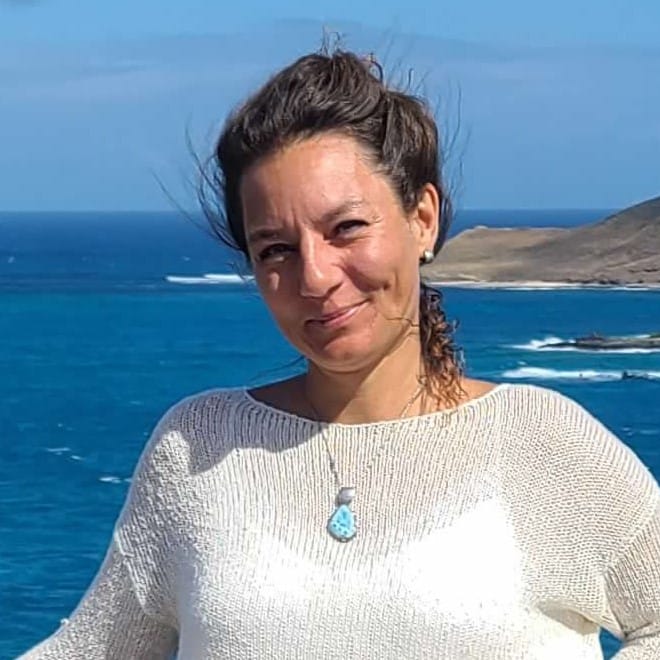
Whether you're looking for clarity, emotional safety, nervous system regulation, or deep transformation, we'll find the approach that best supports where you are today.
This Is How We Can Work Together:
Discovery Call
free, 30 minutes
Share your story
Ask questions
Explore your goals
See if we are a good fit
1:1 Coaching
Personalized Support
Trauma-informed coaching
Custom Healing Plans
Remote & In-person
Long-term support
Healing Modalities
Choose what resonates
Blissful Blueprint Program ©
Energetic Trauma Release
Akashic Field Therapy ™
Somatic Practice & Tapping
The difference you’ll experience
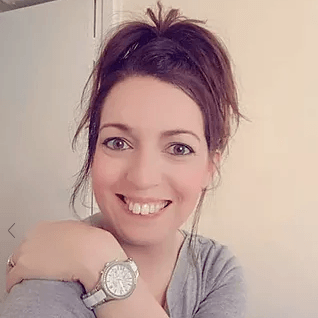
empowered & determined
". . . just incredible, I was so relaxed and absolutely fascinated by it all. Ronja's knowledge and deep connection blew me away. I'm in awe of the things Ronja was able to pick up on. The level of my 'issue' went down from a 7 to a 2!"
Maria S..
Mindset Coach, UK

Tailored approach
Every session is designed around your unique situation — no generic advice or spiritual platitudes.

Proven results
Clients have moved from fear and repetitive patterns of abuse to self-love & confidence attracting healthy relationships.

Safe & Secure
With me, you and your story will be heard. I see you in all of your emotions. You are safe and it is safe to just be.
Frequently Asked Questions
Narcissistic abuse is a pattern of emotional psychological and often physical manipulation inflicted by someone with narcissistic traits. It is not defined by a single dramatic incident but by repeated cycles of idealization, devaluation, and discord - indispersed with just enough warmth or affection to keep you hooked. It can occur in romantic relationships, families, and workplaces. What makes narcissistic abuse particularly insidious is how invisible it is - to outsiders, and often to the person experiencing it. The gaslighting, the rewriting of reality, the subtle erosion of your confidence happens so gradually by the time you recognize it, you may have lost your sense of who you are entirely.
It feels like never being quite sure of your own reality. You find yourself constantly second-guessing your perceptions, apologizing for things that were not your fault, and working tirelessly to earn love that is always just out of reach. There is a persistent low hum of anxiety - walking on eggshells, reading the room, bracing for the next shift in mood. Many survivors describe bone-deep exhaustion that goes beyond tiredness. That is not a coincidence. It is your nervous system telling you exactly what your mind has been trained to ignore.
Yes. Prolonged narcissistic abuse - particularly when it originates in childhood or within a long-term intimate relationship - frequently results in Complex PTSD (C-PTSD). Unlike single-incident PTSD, C-PTSD develops from repeated, inescapable trauma over time. It affects your sense of self, your ability to regulate emotions, your relationships, and your capacity to feel safe in the world.
Symptoms include chronic shame, emotional flashbacks, hypervigilance, difficulty trusting others, dissociation, and a deeply distorted sense of self-worth. C-PTSD is not a character flaw. It is your nervous system's intelligent - if exhausting - response to sustained threat.
Standard PTSD typically follows a single traumatic event - an accident, an assault, a disaster. The trauma has a beginning and an end, and healing, while still challenging, follows a relatively clear arc. C-PTSD, by contrast, develops from prolonged, repeated trauma - often within relationships where you were dependent on the person causing harm. This creates a particular kind of wound: not just fear of a memory, but a fundamental disruption to your sense of self, your ability to form safe attachments, and your capacity to trust your own perceptions. The trauma becomes woven into your identity, which is why healing requires a much deeper and more layered approach.
Absolutely - and this is one of the most underrecognized aspects of narcissistic abuse recovery. When you live in a chronic state of threat, your body is continuously flooded with stress hormones. In an immediate danger response, the adrenal glands release adrenaline (epinephrine) for the initial surge of alertness, followed by norepinephrine to sustain that heightened state, and then cortisol - the primary stress hormone - which suppresses the immune system, disrupts digestion, and keeps the body mobilized for threat.
In the wild, an animal that flees a predator metabolizes these hormones through movement. But in an abusive relationship, you cannot flee. You fawn or freeze - and those stress hormones have nowhere to go. Over months and years, they accumulate in the muscles, fascia, and nervous system, leading to adrenal fatigue, auto-immune conditions, chronic anxiety, depression, insomnia, digestive issues, and persistent physical exhaustion.
If you have been told your health problems are unexplained or that you are simply "too stressed," your body may be telling the story your mind has not yet been able to fully process.
Yes - and both are extremely common among survivors. The chronic hypervigilance of living with a narcissist keeps the nervous system locked in a state of high alert long after the relationship ends.
Anxiety is often the body's way of staying "ready" for a threat that no longer exists. Depression, meanwhile, can reflect the profound grief of the relationship, the loss of the self, and the accumulated weight of unprocessed emotion. Both are symptoms of an unhealed nervous system - not permanent states, and not who you are.
The longer the abuse continues, the more deeply the stress response becomes embedded in the body.
Survivors frequently develop: chronic fatigue, fibromyalgia, auto-immune disease, insomnia, digestive disorders, hormonal imbalances, and a suppressed immune system.
Many become either workaholics - keeping relentlessly busy to avoid feeling - or find themselves barely able to function. This is why healing from narcissistic abuse cannot be purely a mental or emotional process. The body must be part of the conversation.
Narcissistic abuse changes you by dismantling your relationship with yourself. Over time, your reality, your instincts, your preferences, and your worth become defined by the narcissist rather than by you.
You may find yourself unable to make decisions, chronically people-pleasing, terrified of conflict, or unable to recognize your own emotions. The painful irony is that the very qualities that made you a target - your empathy, your loyalty, your capacity for love - are still there. They have simply been buried under layers of survivial strategies.
Healing is, in large part, the process of excavating your true self.
Trauma healing is the process of releasing the physical, emotional, and energetic imprints that traumatic experiences leave behind, so that they no longer dictate your present responses, relationships, and sense of self.
True trauma healing is not talking about what happened, but rather involves working with the nervous system, the body, the emotional landscape, and even deeper energy patterns that underlie repeated life experiences.
It is not linear or quick - but it is profoundly transformative.
Trauma healing looks different for everyone, but in my work with survivors of narcissistic abuse, it typically moves through several layers:
STABILIZATION: Learning to feel safe in your own body again, regulating the nervous system, and building the daily self-care practices that create a foundation for deeper work.
PROCESSING: Gently releasing the stored emotional & physical charge of traumatic memories. This is where somatic work, energy healing, and tools like EFT / Tappiing become essential.
INTEGRATION: Making meaning of the experience, reclaiming the parts of yourself that were lost, and developing new patterns of relating to yourself and others.
EMPOWERMENT: Living from a place of genuine self-love, clear boundaries, and the confidence that you can handle whatever life brings.
These stages do not happen in a neat sequence. You may cycle through grief, clarity, setback, and breakthrough - sometimes within the same week. That is not failure - that is healing.
Somatic trauma healing works directly with the body to release stored stress & trauma energy. The word "somatic" refers to the body and it is based on the well-established understanding that trauma is not only a psychological event, but a physiological one.
When we experience threat, the body prepares to fight, flee, freeze, or fawn. If that survival response is never completed - as is almost always the case in narcissistic abuse, where leaving or fighting back is not safely possible - the energy of that response remains stored in the muscles, fascia, and nervous system.
In my practice, I use Somatic Meditation which focuses specifically on releasing tension held in the psoas muscle, the deep core muscle most affected by chronic stress and the freeze / fawn response, while simultaneously grounding the released energy into the earth.
This grounding step is essential and often missing from conventional trauma release approaches, which can leave clients feeling destabilized and repeating patterns.
Trauma-informed healing means that every aspect of the therapeutic or coaching relationship is designed with an understanding of how trauma affects the nervous system, behavior, memory, and sense of self. A trauma-informed practitioner never pushes, never shames, never offers platitudes like "just think more positive," and never tells you what to do.
It matters enormously who you work with.
Well-meaning but trauma-uninformed support - from friends, coaches, or even some therapists - can inadvertently retraumatize.
Phrases like "you just need to move on" or "why did you stay so long?" reflect a fundamental misunderstanding of how trauma bonding works, and they add shame to an already heavy load.
In my sessions, I hold space without judgment. I let clients be exactly where they are. And I have found, consistently, that when people feel truly safe, healing happens naturally - layer by layer, session by session.
You can make meaning ful progress alone - through reading, journaling, meditation, and self-reflection. And for a while, that may be exactly what you need. But there is a ceiling to self-guided healing, and most survivors hit it.
Here is why: the wounds of narcissistic abuse were formed in relationship. They were created through repeated interpersonal dynamics - and they heal most fully in a safe relational context with someone who can hold space for the parts of you that feel too shameful, too messy, or too confusing to be alone.
A trauma-informed coach also provides something self-help cannot: accountability, pacing, and the ability to guide you through the phases that feel impossible - the grief, self-forgiveness, the dismantling of old beliefs - without letting you stay stuck in any of them indefinitely.
The survivors I work with are not weak. They are often the most self-aware, intelligent, and emotionally couragous people I know. They come to me not because they cannot cope, but because they are ready to stop merely coping and start truly living.
A therapist - particularly a trauma-specialized one - works within a clinical framework, diagnosing and treating mental health conditions, and is essential for those with severe trauma, dissociative disorders, or active crisis.
A trauma-informed coach works within a growth & empowerment framework. We are not diagnosing. We are holding space for your transformation - helping you release what no longer serves you, rebuild your relationship with yourself, and develop the tools and inner resources to create a genuinely different life.
The two are complementary, not competing. Some of my clients work with both a therapist and me simultaneously and find that the approaches support each other beautifully.
If you are out of the abusive situation - or clearly done with it emotionally, even if the practicalities are still unfolding - and you find yourself asking this question, you are probably ready.
Readiness does not mean feeling strong; it means being willing: willing to feel what you have been avoiding, willing to take responsibility for your healing (not for what was done to you), and willingness to show up consistently even when progress feels slow.
What I ask of every client is consistency. Healing is not a weekend workshop. It is a commitment to yourself - perhaps the most important one you will ever make.
There is no honest single answer to this - and anyone who gives you one is selling something.
Healing is not a straight line, and its timeline depends on the duration and intensity of the abuse, whether it began in childhood, how much support you have, and how consistenly you do the work.
What I can tell you is that with the right support and genuine commitment, most people begin to feel meaningfully different within weeks - lighter, clearer, more like themselves.
Deep transformation - the kind where your patterns, your choices, and your sense of self have genuinely shifted - typically unfolds over months. The goal is not to reach a finish line. The goal is to become someone who knows their tools, trusts themselves, and can return to their center no matter what life brings.
That is what I call bliss - not a constant state of happiness, but an unshakeable knowing that you are okay and that you can handle whatever comes your way.

"With the grounded safety of a supportive coach such as Ronja, you can find a way of working through any grief, shame, resentment, or anxiety that you are stuck in.
I felt safe while letting go of some deeply held grief.
I feel much clearer & lighter - I highly recommend Ronja's work!"
Katy A.
Yoga Instructor, UK
Ready to Begin Your Journey to Bliss?

Book a discovery call with me. We will tallk about where you are, what you need, and whether we are the right fit. I work only with women who are ready - not because healing has to be hard, but because it has to be real.
Let's shed the barnacles of your shell.